PRODUCTS
PRODUCT CENTER
LEAVE A MESSAGE
CONTACT US



‹
›
‹
›
Key Attributes
Product Details
Product Introduction
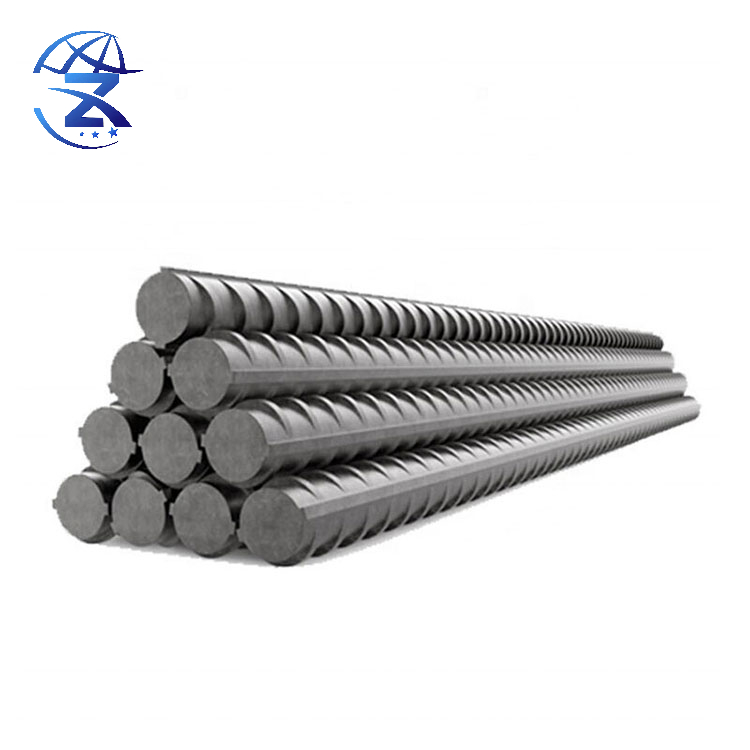
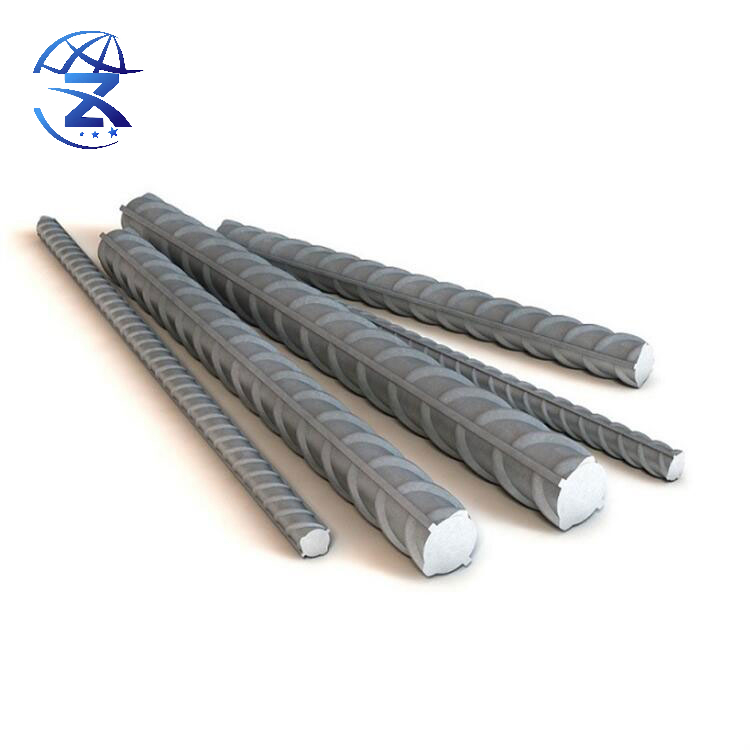
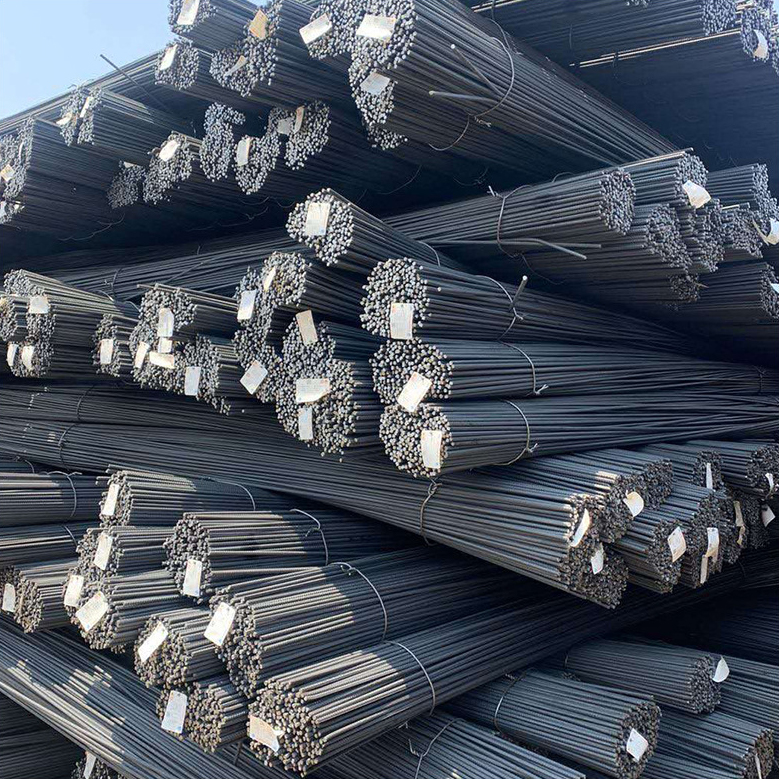
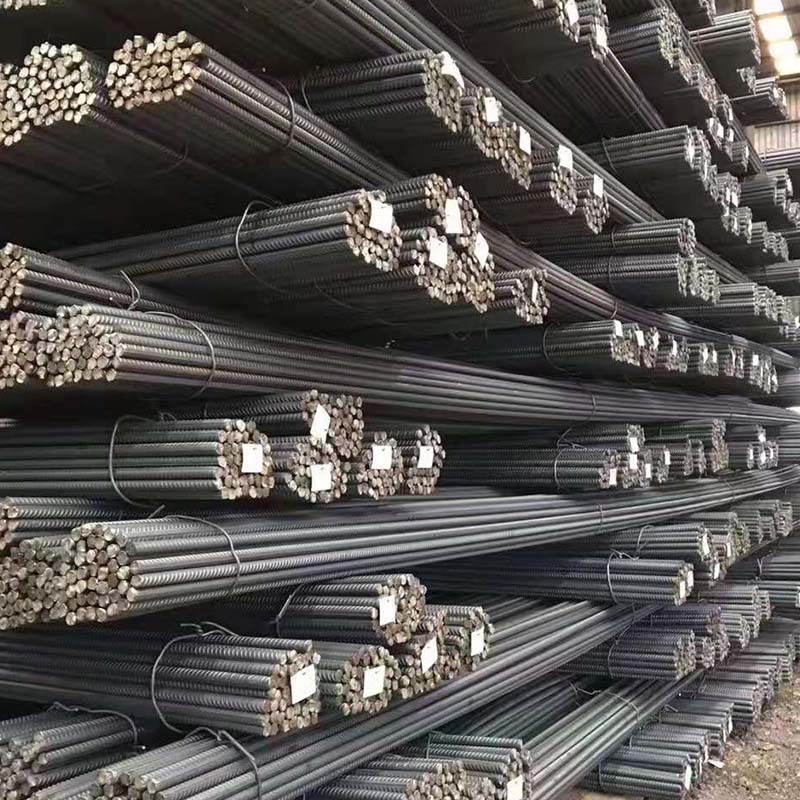
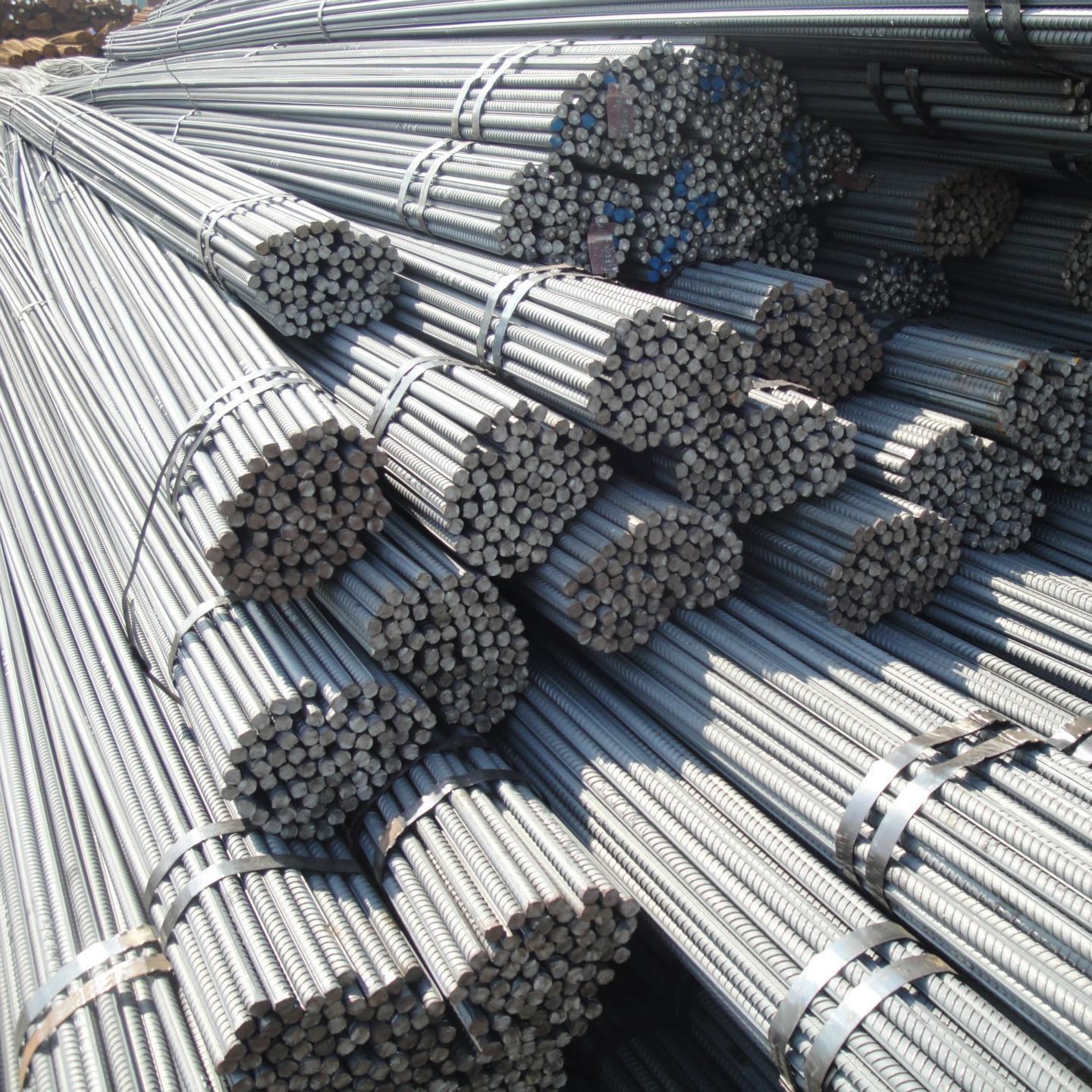
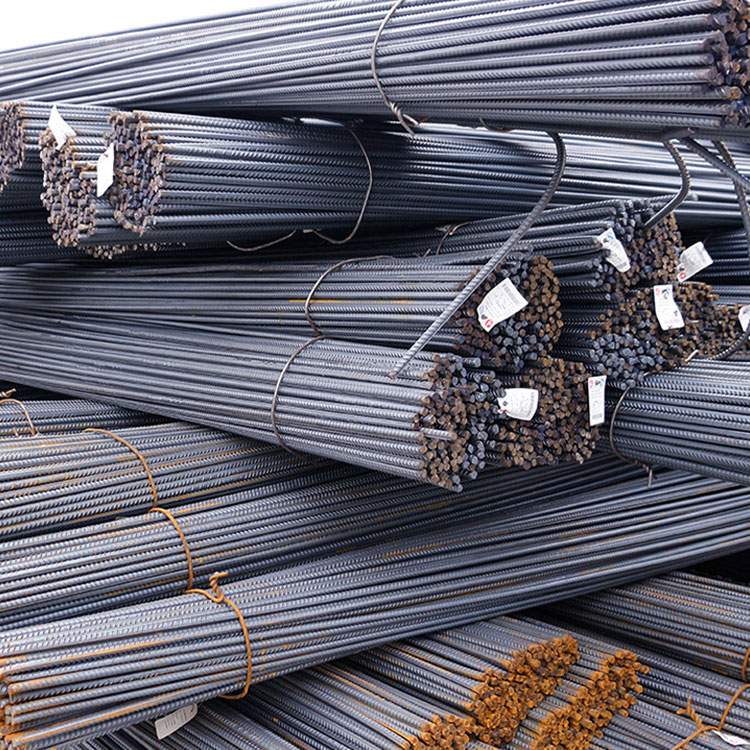
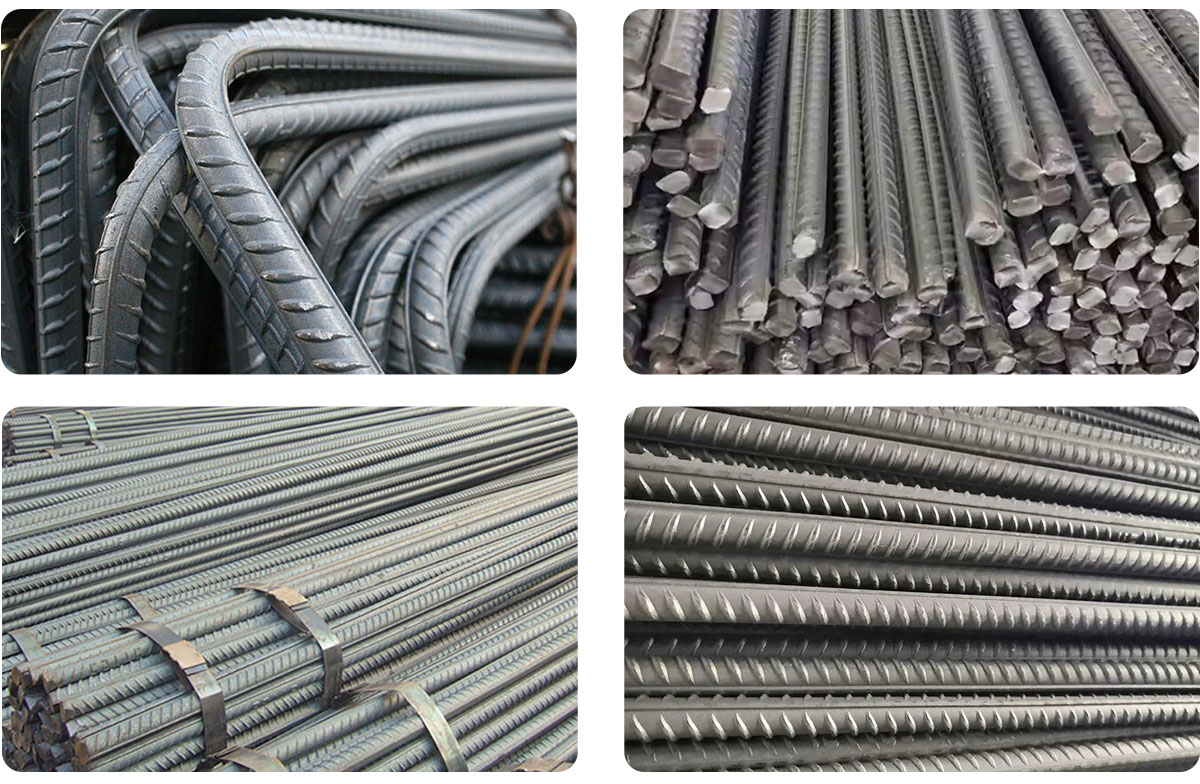
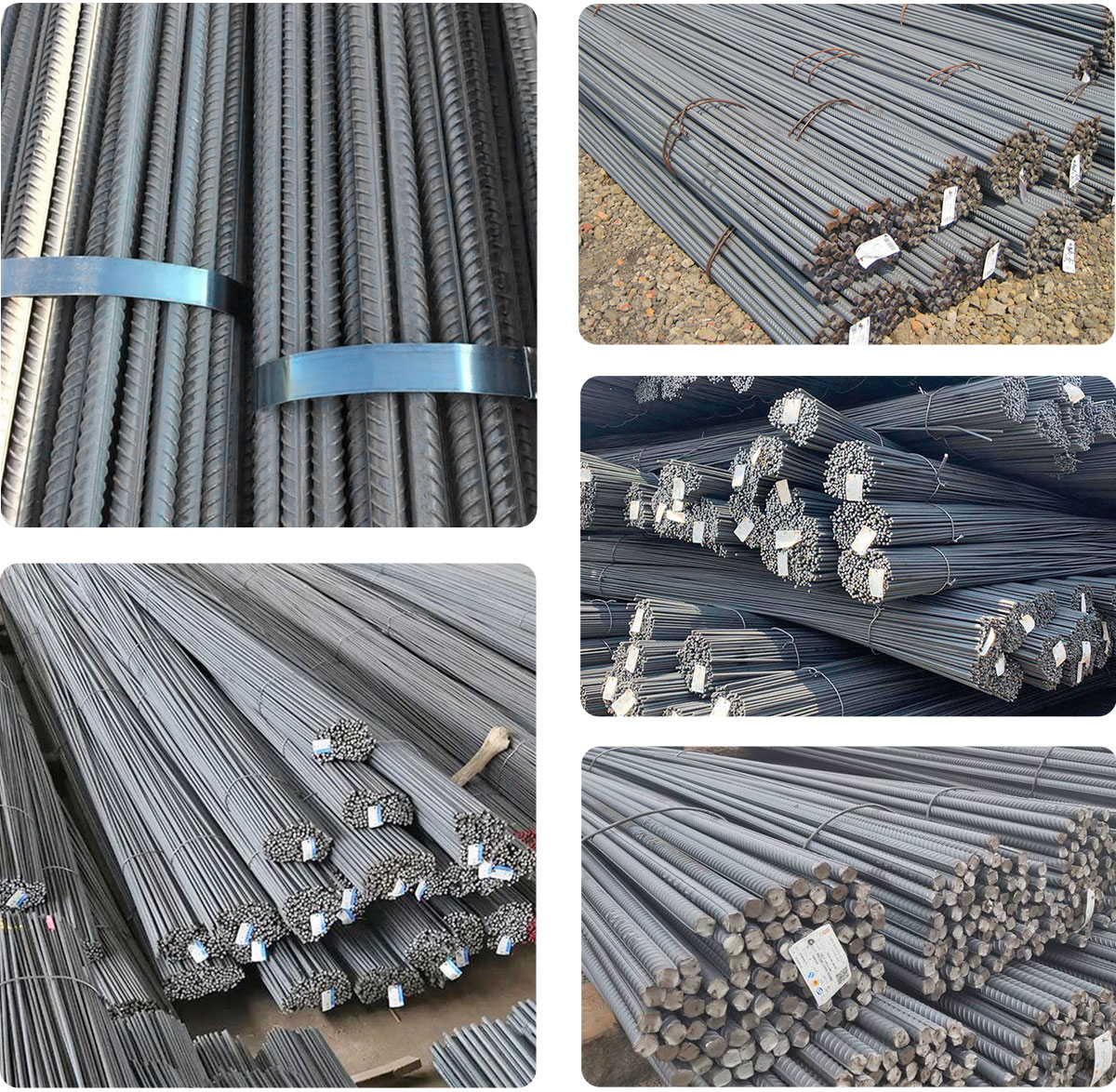
ASTM A615/A615M Steel Rebar is a widely recognized standard specification for deformed and plain carbon-steel bars used in concrete reinforcement. Developed by the American Society for Testing and Materials (ASTM), this standard establishes criteria for the chemical composition, mechanical properties, dimensional tolerances, and testing requirements of steel rebar, ensuring its suitability for structural applications.
The specification includes multiple grades based on minimum yield strength, with Grade 40 (280 MPa), Grade 60 (420 MPa), Grade 75 (520 MPa), and Grade 80 (550 MPa) being the most common. These grades are identified by numerical markings on the bar ends, facilitating easy identification during construction. The rebar is manufactured in both straight lengths and coils, with diameters ranging from 6 mm to 50 mm, to accommodate diverse project needs.
About Us
Zhongxi Metal is a professional manufacturer engaged in the research, development, production, sale and service., is committed to providing one-stop steel procurement services for global client.
How is rebar made?
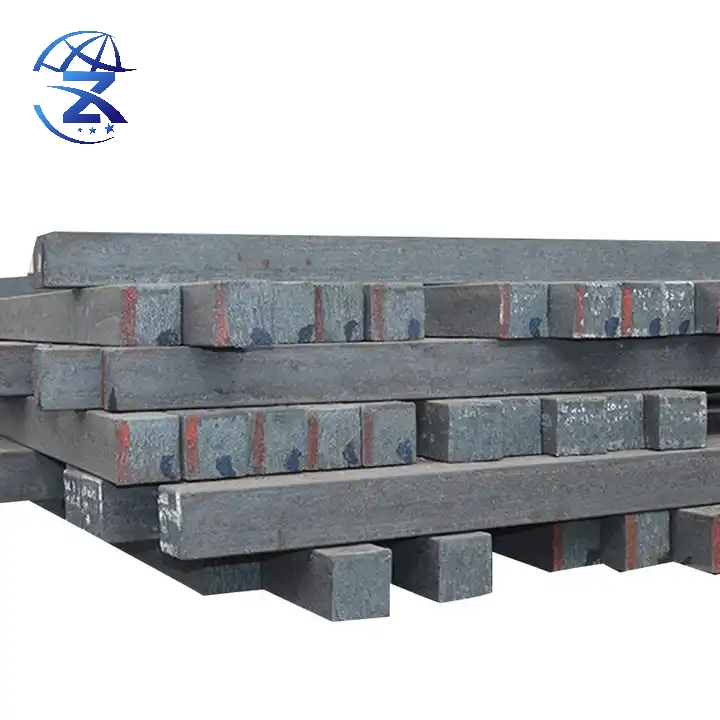
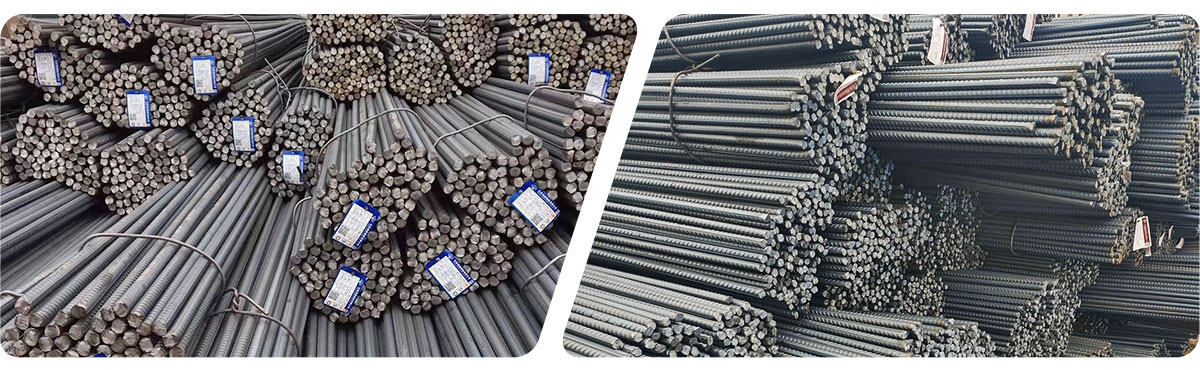
Rebar is almost always made from steel, which has excellent tensile properties relative to concrete. Interestingly, it is commonly made from recycled steel such as old cars, appliances, and machinery that are melted down with electric arc furnaces, cooled in the form of billets, and then stored. Once the billets are ready to be used for making rebar, they are reheated to an elevated temperature (but below their melting temperature) and are fed rapidly through a series of extrusion tools. The different stages of extrusion tooling continue to neck down the steel billet into smaller and smaller diameter rods until the desired rebar diameter is achieved. A set of tooling creates the deformations needed to prevent slippage within the concrete. The rebar is then sheared to the desired length.
How does rebar work?
The tensile strength of the steel rebar complements the compressive strength of concrete to create structures that have a blend of both types of strength. This reduces the risk of fractures and allows the structure to better withstand movements and forces that might otherwise cause a concrete structure to fail.
Rebar is often laid in a grid pattern. This means that different segments of rebar are placed parallel and perpendicular to one another so that it can withstand tensile forces from many directions. The deformations on the exterior of the rebar ensure that the rebar does not slip out of the concrete structure. Sometimes rebar is bent at the ends to further anchor it in place within a concrete structure.
Quality Control
We have our own Physical & Chemical Testing Center Lab to guarantee our product quality. Our test items & instrument fully meet international standards.
Applications of Rebar
1. Residential and Commercial Construction
Steel rebar is the backbone of modern construction, reinforcing concrete in residential buildings, offices, and shopping malls. Its ribbed surface bonds tightly with concrete, enhancing tensile strength to prevent cracking under loads. Commonly used in foundations, columns, and slabs, it ensures structural stability while reducing material costs through optimized concrete thickness.
2. Transportation Infrastructure
In roads, bridges, and tunnels, steel rebar resists dynamic loads and environmental stresses. Its affordability and durability make it ideal for highway pavements, rail tracks, and airport runways. Corrosion-resistant coatings extend its lifespan in high-moisture zones, ensuring safety and minimizing maintenance for critical transport networks.
3. Industrial Facilities
Factories, warehouses, and power plants rely on steel rebar for heavy-duty frameworks. Its high strength-to-cost ratio supports massive machinery and thermal stresses. For example, in chemical plants, rebar reinforces concrete floors and equipment foundations, withstanding chemical spills and vibrations.
4. Marine and Coastal Projects
While prone to corrosion, steel rebar remains cost-effective for low-salinity marine structures like piers and docks. Protective measures like epoxy coatings delay rusting, balancing performance and budget in coastal regions where stainless steel alternatives are economically impractical.
5. Agricultural and Rural Development
Steel rebar strengthens silos, irrigation channels, and rural housing. Its ease of welding and bending suits on-site fabrication, reducing reliance on specialized labor. In developing regions, it accelerates infrastructure growth by providing a robust yet affordable solution for granaries and livestock shelters.
Contact Us
As a leading company, Zhongxi Metal is known for our excellent product quality and professional services, providing our customers with a reliable partner. We have a global sales network that can meet the needs of customers in different countries and regions.If you need more information about us or have any other needs, please feel free to contact us. We look forward to working with you to create a better future.
Factory Video
Online Consultation
Related Suggestion
 Steel Billets
 Carbon Steel Coil
 PPGL Sheet
 Hot Dip Galvanized Steel Sheet
 Galvanized Steel Coil
 Stainless Steel Wire
 PPGI Coil
 Stainless Steel Coil
 Steel Rebar
 Galvanized Pipe
 Stainless Steel Plate
 I-Beam
 H-Beam
 Galvanized Steel Roofing Sheet
 Steel Channel
 Steel Angle
 Hot Rolled Carbon Steel Plate
 Welded Carbon Steel Pipe
 Carbon Steel Wire
 Stainless Steel Welded Pipe
 Q275 Steel Billet