
At the same time, the option to suspend the collection of the carbon levy has been removed
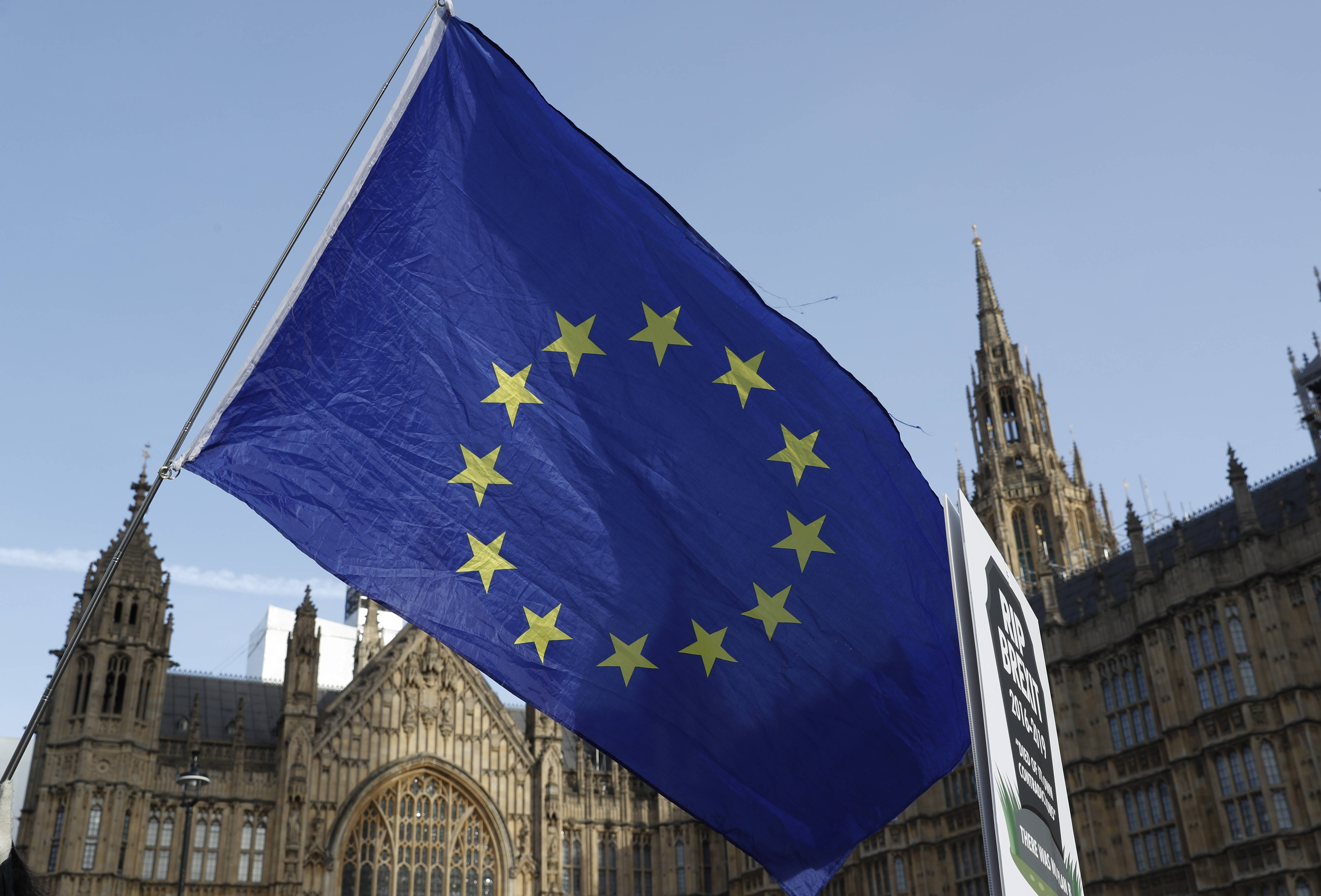
On 15 September, the European Parliament adopted its position for negotiations with Member States on the proposed changes to the Carbon Border Adjustment Mechanism (CBAM). This is stated in a press release from the institution.
MEPs supported extending the scope of the mechanism – in addition to basic materials, it is to include finished steel and aluminium products, such as fasteners, wire, springs and household goods. Furthermore, the European Parliament advocated a broader list of products than that proposed by the European Commission.
An exception has also been added for electricity flows from non-EU countries, which are used by operators to maintain grid stability.
The European Parliament is proposing to lower the threshold at which minor modifications to a particular product are classified as circumventing the rules. This is intended to prevent situations where companies evade their obligations under the CBAM by making minor changes to imported goods. The rules should apply only to actions specifically intended to circumvent the mechanism, rather than to routine business decisions aimed at reducing costs.
At the same time, it is proposed that the European Commission be granted the right to apply standard emission factors (based on the actual country of origin) in cases where a specific circumvention scheme has been identified.
MEPs voted to remove a clause that would have allowed the EU to temporarily exempt goods from carbon border adjustment mechanism (CBAM) duties in the event of price shocks. Instead, it is proposed to introduce a mechanism for temporarily redirecting CBAM revenue from the relevant products to the affected sectors.
Simplified reporting requirements for the least developed countries and a system of technical assistance are also proposed. However, the provision that would have allowed carbon credits (in accordance with Article 6 of the Paris Agreement) to be counted towards compliance with CBAM obligations has been removed.
In addition, a position has been adopted on the relevant Temporary Decarbonisation Fund (TDF) to protect EU producers in export markets. MEPs are seeking to ensure that financial support from the TDF is available from 2027 to 2029, rather than only from 2028, as proposed by the European Commission.
In the European Parliament’s view, all operators further down the supply chain — businesses that use CBAM goods as raw materials — should be eligible for support from the fund. At the same time, any surplus revenue could be channelled towards fulfilling the EU’s international commitments to finance climate action under the Paris Agreement, rather than being returned to Member States, as proposed by the European Commission.
“This compromise makes the CBAM stronger, fairer and more sustainable. We have closed important loopholes, strengthened measures to combat circumvention of the mechanism and expanded its scope where it matters most,” said the rapporteur on CBAM, Mohammed Shahim (S&D, Netherlands).
Parliament is ready to begin negotiations with the Member States of the European Union on the final form of the bill.